

Singapore’s culinary landscape is a vibrant tapestry woven from diverse immigrant cultures, with none more prominent than the Cantonese and Teochew communities.
Both cuisines have deep historical roots in China’s Guangdong province and have significantly shaped the way Singaporeans eat today. While they share the fundamental principles of freshness and high-quality ingredients, their approaches to cooking and flavour profiles offer distinct experiences.
Cantonese Cuisine: Sophistication and Complexity
Originating from the Pearl River Delta, Cantonese cuisine is perhaps the most globally recognized Chinese culinary tradition. Its influence in Singapore has been immense, particularly with the rise of fine dining and the iconic yum cha (dim sum) culture.
Cantonese cooking is celebrated for its subtlety and precision. The philosophy is to enhance the natural flavours of ingredients rather than mask them with heavy seasoning. Techniques such as steaming, stir-frying, and roasting are staples, often requiring a mastery of "wok hei"—the elusive, smoky aroma imparted by high-heat stir-frying.
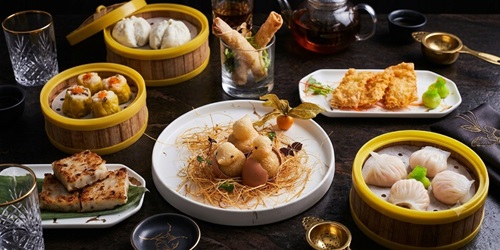
Signature Dishes: Cantonese cuisine is famous for its Dim Sum, Roast Duck, and Double-Boiled Soups, which are considered a hallmark of the cuisine's emphasis on health and nourishment.
Teochew Cuisine: The Art of Simplicity and Umami
Teochew cuisine originates from the Chaoshan region. In Singapore, Teochew immigrants formed one of the earliest dialect groups, leading to a profound influence on the local food scene, particularly in dishes like porridge and noodle soups.
If Cantonese cuisine is about sophistication, Teochew cuisine is the art of natural simplicity. It is renowned for its light, clean flavours and an exceptional ability to highlight the intrinsic sweetness of seafood. Teochew chefs often use steaming, braising, and poaching to preserve the delicate texture of their ingredients. They are also known for the liberal use of ingredients like chives, preserved vegetables, and condiments like fermented soybean paste.
Signature Dishes: Highlights include Teochew Steamed Fish, Braised Duck, and the quintessential Orh Nee (yam paste), a dessert that remains a crowd favourite at any traditional Teochew banquet.
The Key Differences
While both traditions place a premium on freshness, the divergence lies in the execution:
Seasoning: Cantonese cuisine uses a wider variety of sauces (oyster, soy, hoisin) for complexity, while Teochew cuisine leans towards light seasoning to maintain the ingredient's natural profile.
Texture: Cantonese food often features a blend of textures—from crispy skins to velvety sauces. Teochew food prioritizes a balance that is often lighter on the palate, with a "cleaner" finish.

1. Hua Ting (Orchard Hotel Singapore)
Located at Orchard Hotel Singapore, Hua Ting is a cornerstone of refined Cantonese dining in Singapore.
Led by the accomplished Hong Kong Master Chef Chung Lap Fai, the restaurant continues to reach new heights of excellence while preserving authentic flavours. It is the perfect place to experience the complexity and artistic presentation of traditional Cantonese banquet dishes, masterfully curated for the modern palate.
Guests can indulge in their exquisite dim sum lunch menu, explore an array of sophisticated set menus, or savour renowned roast specialties such as the signature Irish duck and succulent roast pork.

2. Tien Court (Copthorne King's Hotel Singapore)
Nestled within Copthorne King's Hotel Singapore, Tien Court is a celebrated institution for authentic Teochew cuisine.
Here, you can savour the delicate, traditional flavours of Teochew cooking, from a delectable dim sum lunch and their fragrant smoked peking duck to the classic, savoury oyster omelette and famous Orh Nee (yam) desserts, all served in an elegant setting.

Book Culinary Journey Today
Whether you are seeking the bold complexities of Cantonese dim sum or the light, umami-rich elegance of Teochew steaming, these two restaurants offer a gateway to the rich heritage that defines Singapore’s culinary identity.


